storage hormone insulin.  Increased insulin levels create the perfect recipe for weight gain. By swapping out high carbohydrate grain foods that cause spikes in insulin with much lower carbohydrate foods, insulin release is subdued and allows the body to release fat.

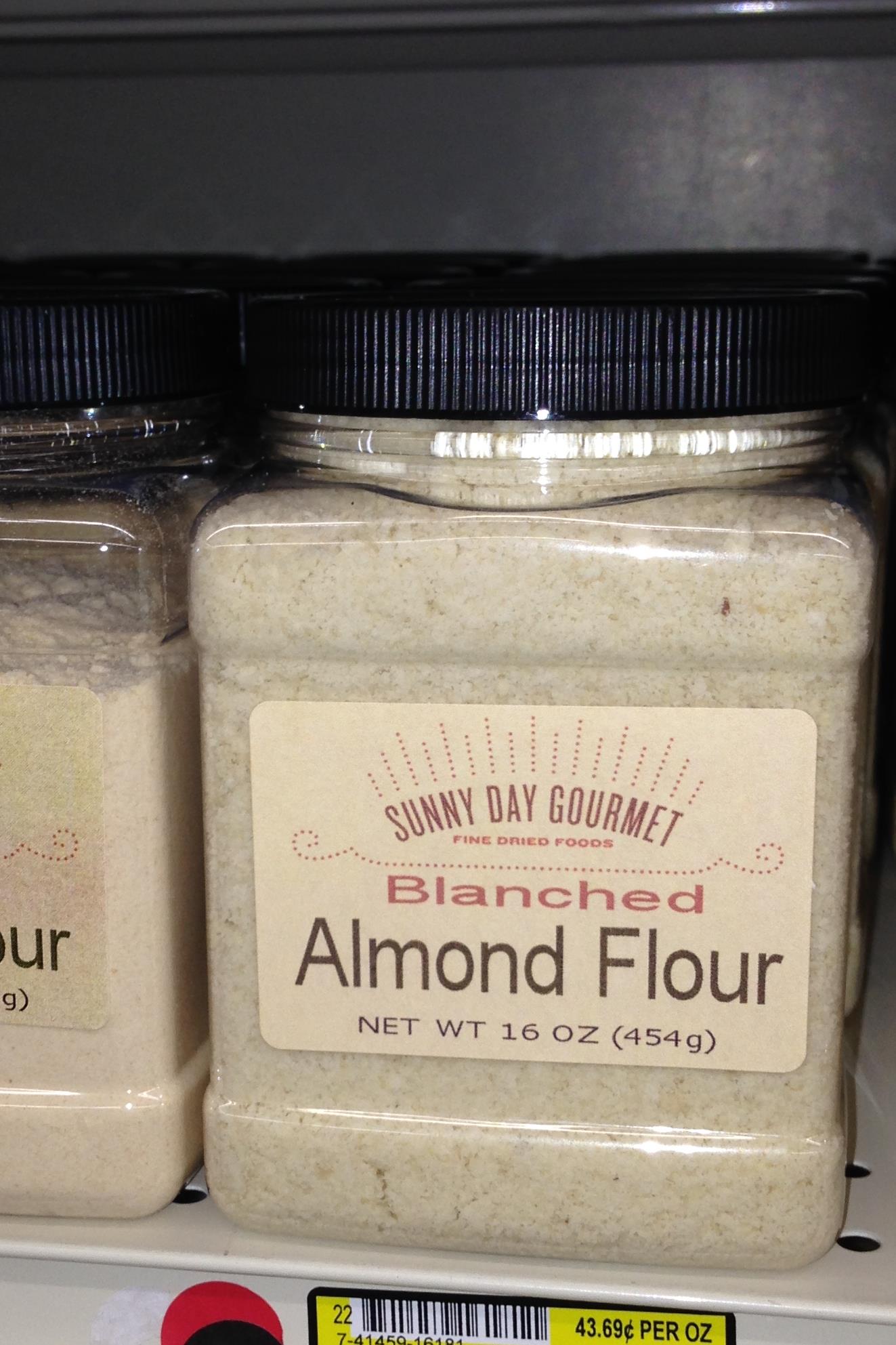
1. Swap wheat-based flour with almond flour/meal


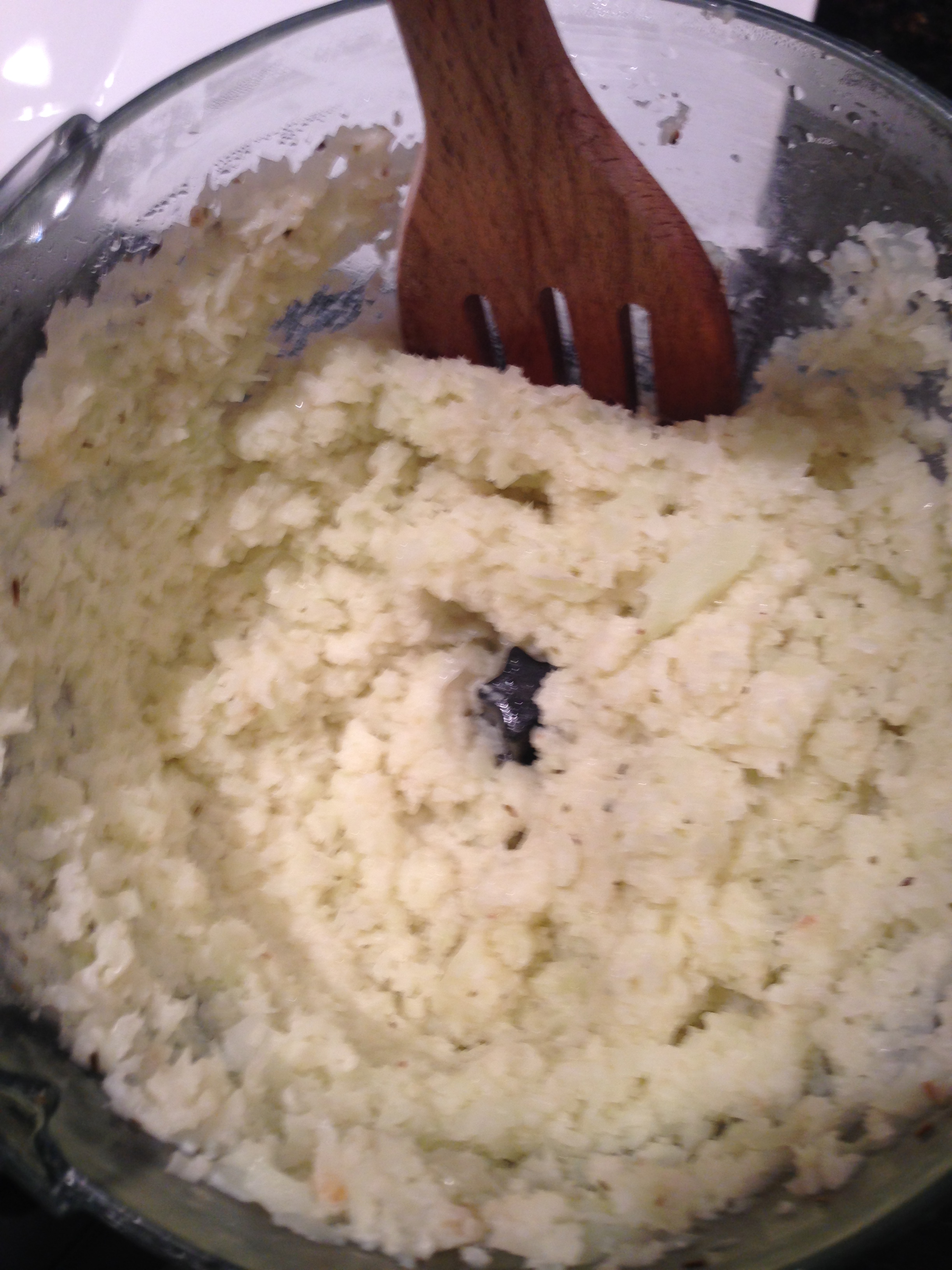
2. Swap potatoes and rice for cauliflower

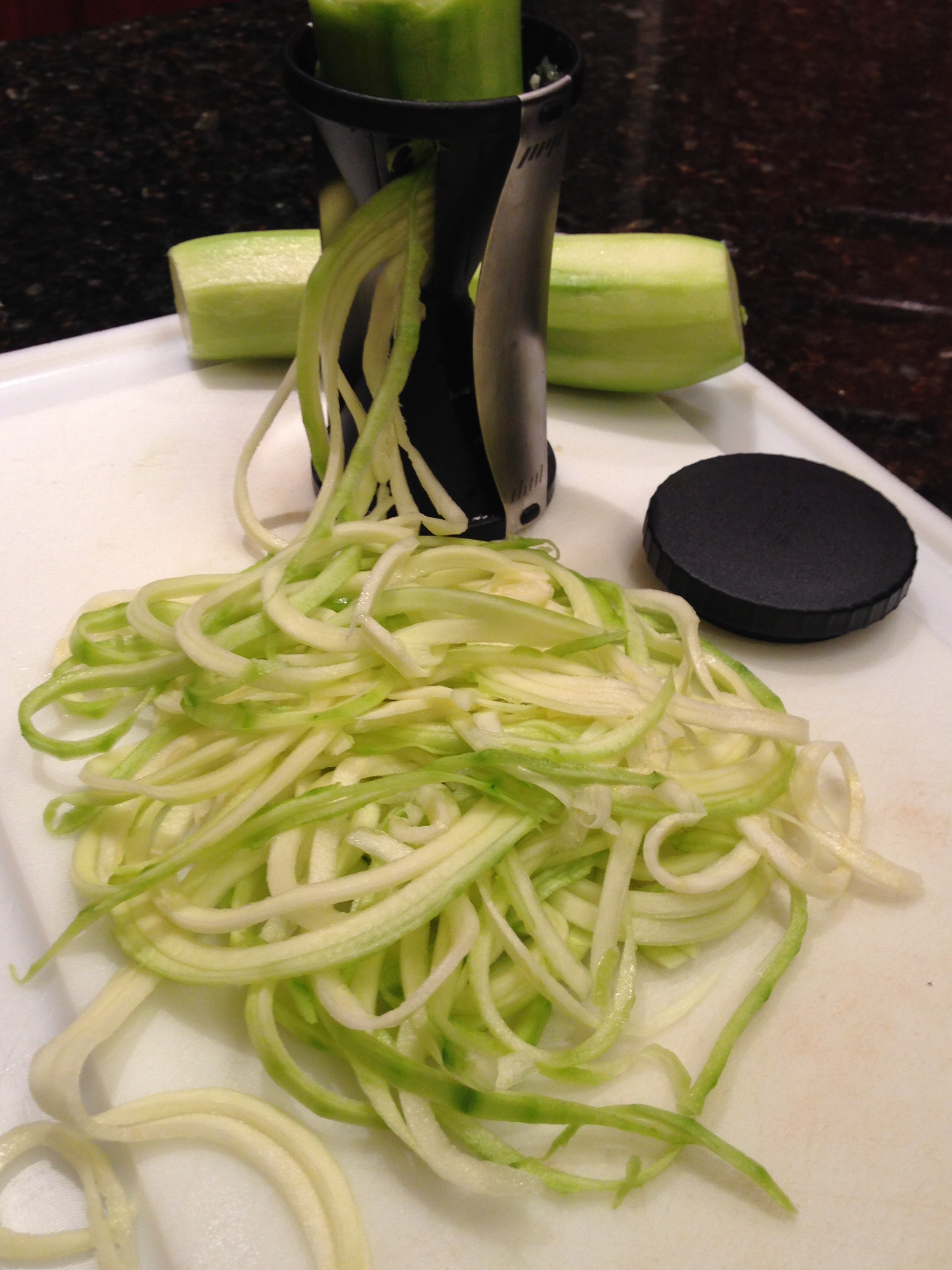
3. Swap pasta for shirataki noodles and zucchini


Lisa Grudzielanek, MS,RDN,CD,CDE
Cureality Nutrition Specialist

Not so fast. Don’t make this mistake when going gluten free!

Beginning last month, the Food and Drug Administration began implementing its definition of “gluten-free” on packaged food labels.  The FDA determined that packaged food labeled gluten free (or similar claims such as "free of gluten") cannot contain more than 20 parts per million of gluten.

It has been years in the making for the FDA to define what “gluten free” means and hold food manufactures accountable, with respect to food labeling.  However, the story does not end there.

Yes, finding gluten-free food, that is now properly labeled, has become easier. So much so the market for gluten-free foods tops $6 billion last year.   However, finding truly healthy, commercially prepared, grain-free foods is still challenging.

A very common mistake made when jumping into the gluten-free lifestyle is piling everything labeled gluten-free in the shopping cart.  We don’t want to replace a problem: wheat, with another problem: gluten free products.

Typically gluten free products are made with rice flour (and brown rice flour), tapioca starch, cornstarch, and potato flour.  Of the few foods that raise blood sugar higher than wheat, these dried, powdered starches top the list.

 They provide a large surface area for digestion, thereby leading to sky-high blood sugar and all the consequences such as diabetes, hypertension, cataracts, arthritis, and heart disease. These products should be consumed very rarely consumed, if at all.  As Dr. Davis has stated, “100% gluten-free usually means 100% awful!”

There is an ugly side to the gluten-free boom taking place.  The Cureality approach to wellness recommends selecting gluten-free products wisely.  Do not making this misguided mistake and instead aim for elimination of ALL grains, as all seeds of grasses are related to wheat and therefore overlap in many effects.

Lisa Grudzielanek MS, RDN, CD, CDE
Cureality Health & Nutrition Coach

3 Foods to Add to Your Next Grocery List

Looking for some new foods to add to your diet? Look no further. Reach for these three mealtime superstars to encourage a leaner, healthier body.

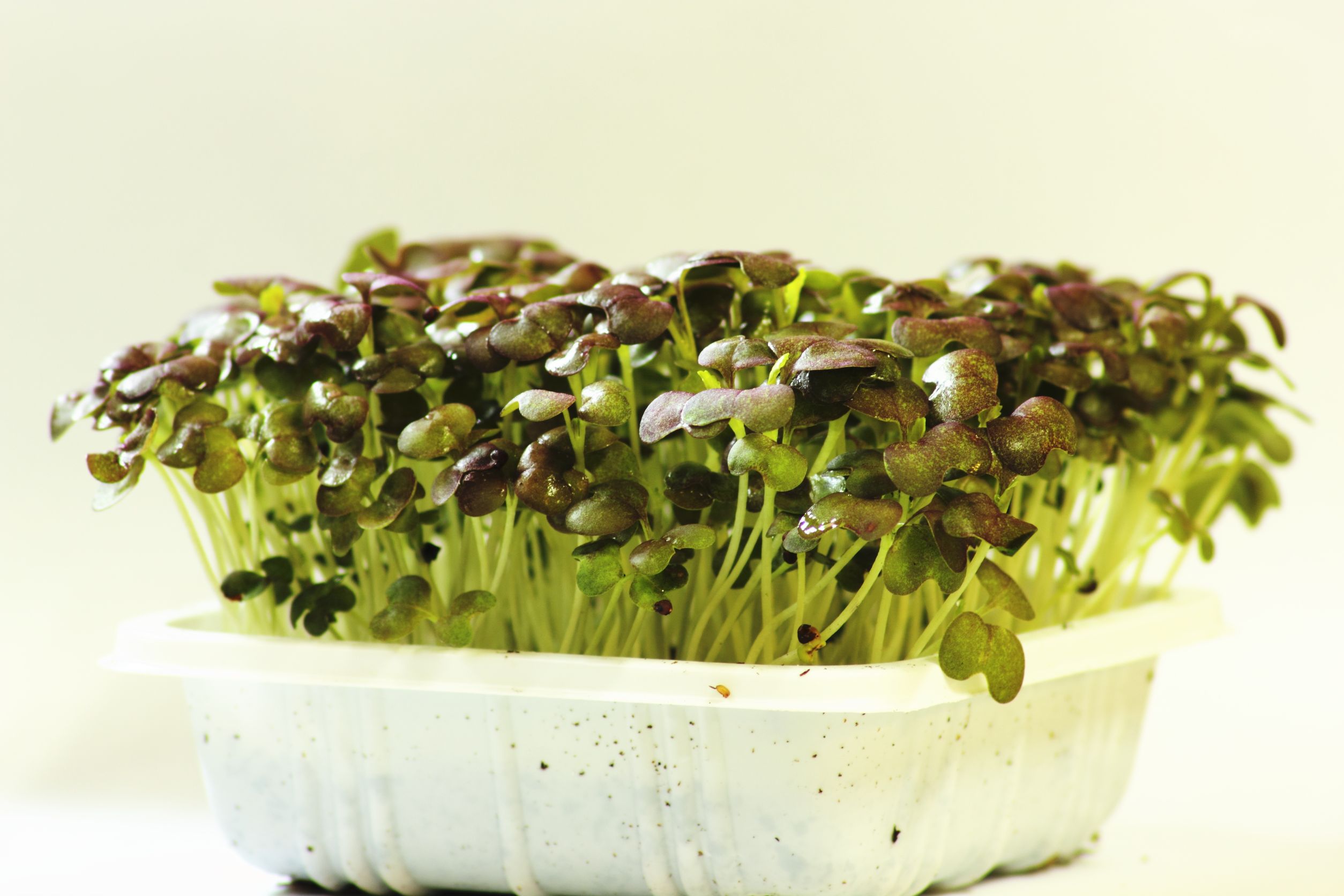
Microgreens

Microgreens are simply the shoots of salad greens and herbs that are harvested just after the first leaves have developed, or in about 2 weeks.  Microgreen are not sprouts. Sprouts are germinated, in other words, sprouted seeds produced entirely in water. Microgreens are grown in soil, thereby absorbing the nutrients from the soil.

The nutritional profile of each microgreen depends greatly on the type of microgreen you are eating. Researchers found red cabbage microgreens had 40 times more vitamin E and six times more vitamin C than mature red cabbage. Cilantro microgreens had three times more beta-carotene than mature cilantro.

A few popular varieties of microgreens are arugula, kale, radish, pea, and watercress. Flavor can vary from mild to a more intense or spicy mix depending on the microgreens.  They can be added to salads, soup, omelets, stir fry and in place of lettuce.  

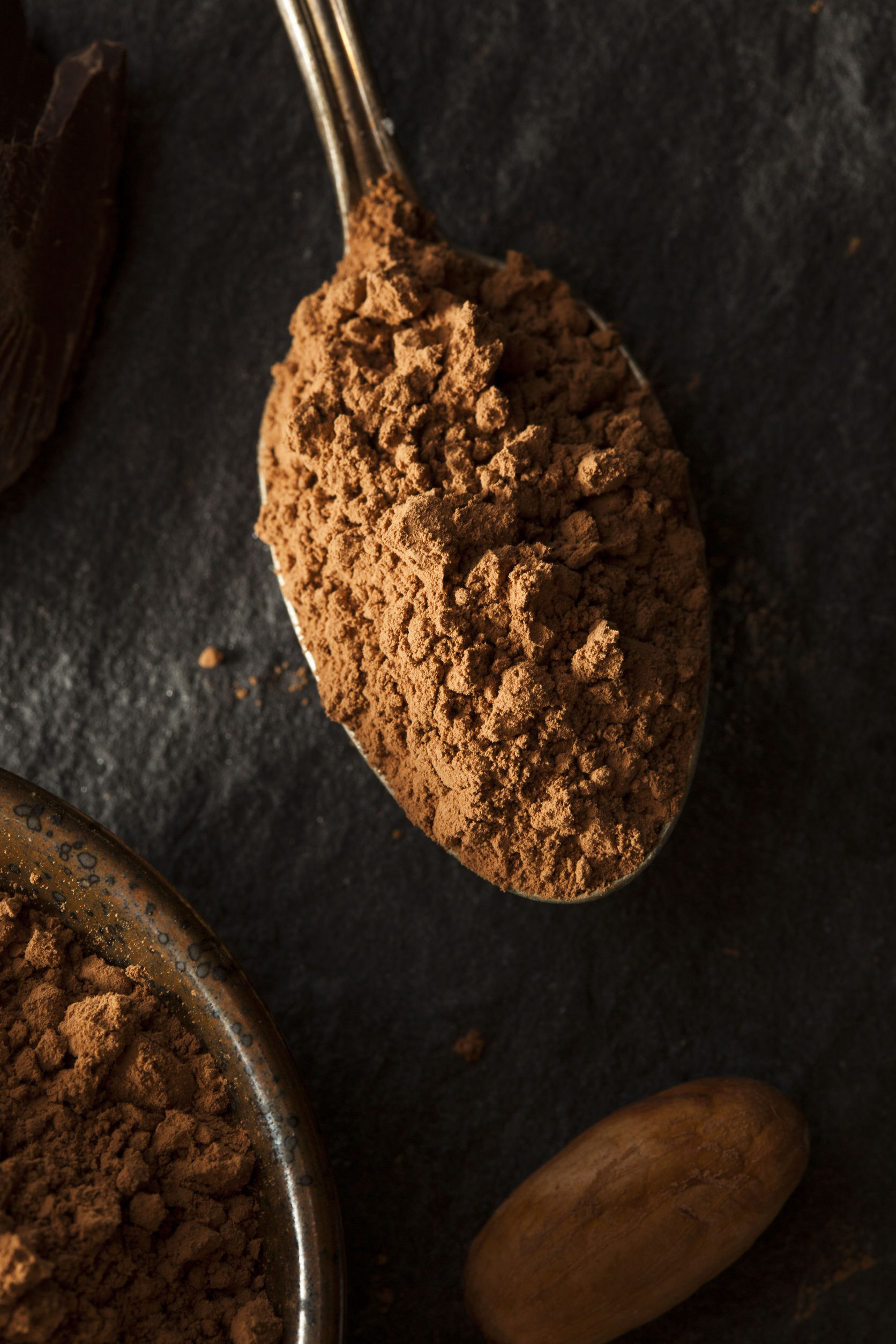
Cacao Powder

Cocoa and cacao are close enough in flavor not to make any difference. However, raw cacao powder has 3.6 times the antioxidant activity of roasted cocoa powder.  In short, raw cacao powder is definitely the healthiest, most beneficial of the powders, followed by 100% unsweetened cocoa.

Cacao has more antioxidant flavonoids than blueberries, red wine and black and green teas.  Cacao is one of the highest sources of magnesium, a great source of iron and vitamin C, as well as a good source of fiber for healthy bowel function.
Add cacao powder to milk for chocolate milk or real hot chocolate.  Consider adding to coffee for a little mocha magic or sprinkle on berries and yogurt.


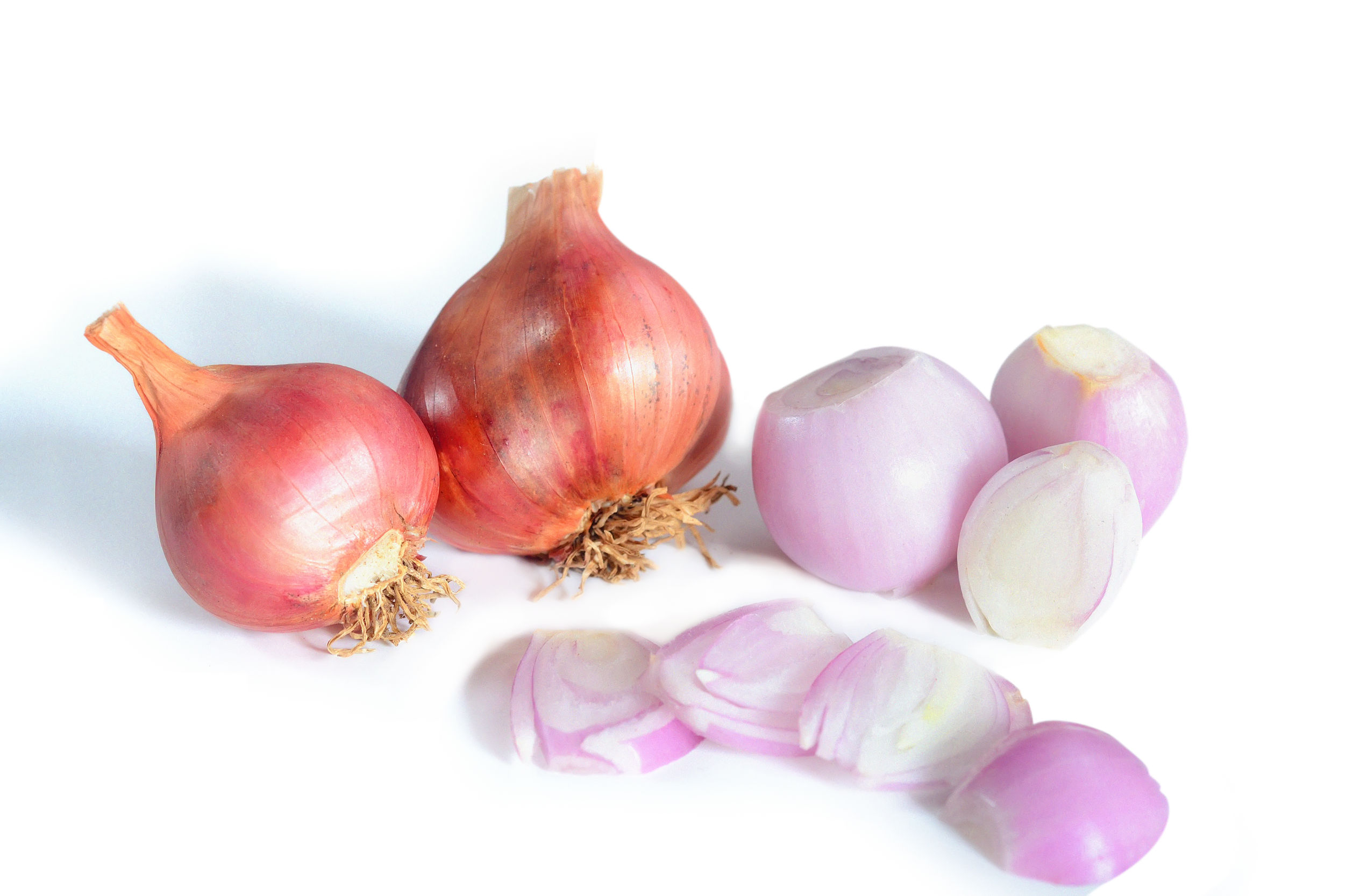
Shallots


Shallots have a better nutrition profile than onions. On a weight per weight basis, they have more anti-oxidants, minerals, and vitamins than onions. Shallots have a milder, less pungent taste than onions, so people who do not care for onions may enjoy shallots.

Like onions, sulfur compounds in shallot are necessary for liver detoxification pathways.  The sulfur compound, allicin has been shown to be beneficial in reducing cholesterol.  Allicin is also noted to have anti-bacterial, anti-viral, and anti-fungal activities.

Diced then up and add to salads, on top of a bun less hamburger, soups, stews, or sauces.  Toss in an omelet or sauté to enhance a piece of chicken or steak, really the possibilities are endless.  

Lisa Grudzielanek,MS,RDN,CD,CDE
Cureality Nutrition & Health Coach

3 Band Exercises for Great Glutes

Bands and buns are a great combination.  (When I talk about glutes or a butt, I use the word buns)  When it comes to sculpting better buns, grab a band.   Bands are great for home workouts, at gym or when you travel.  Check out these 3 amazing exercises that will have your buns burning. 

Band Step Out

Grab a band and place it under the arch of each foot.  Then cross the band and rest your hands in your hip sockets.  The exercise starts with your feet hip width apart and weight in the heels.  Slightly bend the knees and step your right foot out to the side.  Step back in so that your foot is back in the starting position.  With each step, make sure your toes point straight ahead.  The tighter you pull the band, the more resistance you will have.    You will feel this exercise on the outside of your hips. 

Start with one set of 15 repetitions with each foot.  Work on increasing to 25 repetitions on each side and doing two to three sets.


Band Kick Back

This exercise is performed in the quadruped position with your knees under hips and hands under your shoulders.    Take the loop end of the band and put it around your right foot and place the two handles or ends of the band under your hands.  Without moving your body, kick your right leg straight back.  Return to the starting quadruped position.  Adjust the tension of the band to increase or decrease the difficulty of this exercise. 

Start with one set of 10 repetitions with each foot.  Work on increasing to 20 repetitions on each side and doing two to three sets. 


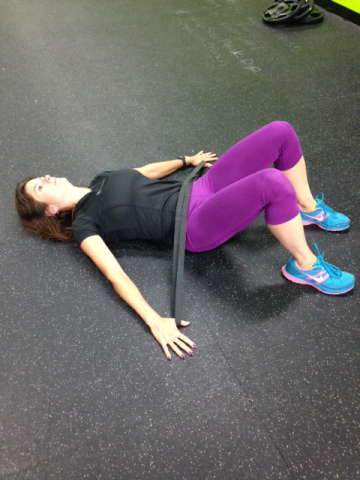
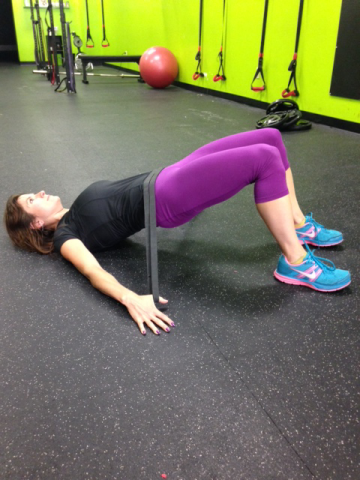
Band Resisted Hip Bridge

Start lying on your back with feet hip distance apart and knees bent at about a 45-degree angle.  Adjust your hips to a neutral position to alleviate any arching in your lower back.  Place the band across your hipbones.  Hold the band down with hands along the sides of your body.  Contract your abs and squeeze your glutes to lift your hips up off the ground.  Stop when your thighs, hips and stomach are in a straight line.  Lower you hips back down to the ground. 

Start with one set of 15 repetitions.  Work on increasing to 25 repetitions and doing two to three.  Another variation of this exercise is to hold the hip bridge position.  Start with a 30 second hold and work up to holding for 60 seconds.
What role cholesterol medication?

A frequent conversation point among my patients, as well as participants in the www.cureality.com program, is "Are cholesterol medications really necessary?"

No, they are not. What IS necessary is to correct all manifest and hidden causes of coronary plaque. Among these causes, in my view, is LDL cholesterol of 60 mg/dl or greater. There are many other causes of coronary plaque--e.g., small LDL particles, unrecognized hypertension, Lp(a), hidden diabetic patterns, etc.--but reducing LDL to 60 mg is still an important part of a plaque-reversing effort.

Insofar as we wish to get LDL to this goal, the statin cholesterol drugs like Lipitor, Zocor, Crestor, etc. may play a role. However, they should only be considered after a full effort dietary program is pursued. Don't follow the American Heart Association's diet unless you want to fail. It's nonsense.

For a more detailed discussion of how to use nutrition and nutritional supplements to reduce LDL cholesterol, go to www.lef.org, the website for the Life Extension Foundation. I wrote an article for their magazine called "Cholesterol and Statin Drugs: Separating Hype from Reality". You'll find the article at http://search.lef.org/cgi-src-bin/MsmGo.exe?grab_id=0&page_id=1295&query=davis%20cholesterol%20natural&hiword=CHOLESTEROLA%20CHOLESTEROLS%20DAVI%20DAVID%20DAVIE%20DAVIES%20DAVIN%20DAVIO%20DAVISON%20DAVISS%20DAVIT%20NATURALBASED%20NATURALES%20NATURALIZED%20NATURALLY%20NATURALS%20NATURE%20NATURES%20cholesterol%20davis%20natural%20.)

Can your plaque-reversal efforts succeed without statin drugs? It depends on your causes. For instance, someone with small LDL and Lp(a) only may do great on our basic program and then add niacin. Unfortunately, another person with a starting LDL cholesterol of 240 mg/dl--sky high--will have more success with these drugs.

Believe me, I am no blind supporter of drug companies and their flagrantly profit-seeking practices which, in my view, are cut-throat, shoving anyone and anything out of their way to increase profits and market share. I share many of Dr. Dave Warnarowski's views on how vicious their tactics can be; see his recent Blog post at http://www.drdavesbest.com/blog/ called "I smell a rat".

Nonetheless, the deep and well-funded research of the pharmaceutical industry does yield some useful tools. You don't have to love the insect exterminator, but if your house is being eaten by termites, his services can be useful. Same thing with these drugs. Useful--not the complete answer, not even close, but nonetheless useful in the right situations. Sometimes antibiotics are necessary, even life saving. That's how cholesterol drugs are, too.

Take it all in the proper perspective. Your goal is not cholesterol reduction, per se, but plaque control, preferably reversal.

Supplement Mania!

Ever hear of "polypharmacy"? That's when someone takes too many medicines. People will have lists of 15-20 prescription medicines, for instance, with crazy interactions and oodles of side-effects.

Well, how about "poly-supplments"? That's when someone takes a large number of nutritional supplements.

Let me tell you about a 45 year old man I met.

In an effort to rid himself of risk for heart disease that he felt was likely shared with his family (brother and father diagnosed with heart attacks in their late 40s), Steve followed a program of nutritional supplementation. You name it, he took it: hawthorne, anti-oxidant mixtures, vitamins C, E, B-complex, saw palmetto, 7-keto DHEA, velvet deer antler, gingko biloba, policosanol, chronium picolinate, green tea, pine bark extract, St. John's Wort, CoEnzyme Q10, papain and other digestive enzymes...He became a distributor for a nutritional supplement company to allow him to afford his own extraordinary program.

To satisfy himself that he had indeed "cured" himself of heart disease, he got himself a CT heart scan. His score: 470, in th 99th percentile. Steve's heart attack risk based on this score was around 10% per year. High risk, no question.

For weeks after his scan, Steve admitted walking around in a daze, not knowing what to do. Years of telling himself that he had effectively dealt with his heart disease risk, now all down the drain.

When we met, I persuaded him that to think that this collection of supplements would reverse heart disease was magical thinking. We trimmed his list down to the essentials and got him on the right track.

Heart disease is controllable and reversible, but not this way. Don't fool yourself into thinking that some collection of supplements will be enough to stamp out your heart disease risk. Just like taking an antibiotic when you don't have an infection achieves nothing, so does taking the wrong supplements.

What does heart scanning mean to you?

CT heart scans can mean different things to different people.


What does a heart scan mean to you? There are several possibilities:

1) A way of reducing uncertainty in your future.

2) A tool to crystallize your commitment to health.

3) A device to help you track how successful your heart disease prevention program is.

4) A trick to get you in the hospital.

5) A moneymaking tool for unscrupulous physicians hoping to profit from "downstream" testing, particularly heart catheterizations.


Like anything, heart scans can be used for both good and evil. How can you be sure that your heart scan is put to proper use--for your benefit and not someone else's profit?

Simple: Get educated. Understand the issues, be armed with informed questions.

If, for instance, you're a 55-year old female with a heart scan score of 90, active without symptoms, and you're told to have a heart catheterization right off the bat---run the other way. This is bad advice. A heart procedure like catheterization at this score in an asymptomatic woman is very rarely necessary. That decision can only be made after a step-by-step series of decisions are made by a truly interested, unbiased party. (A stress test is almost always required in this situation before the decision can be made to proceed with a catheterization.)

Unfortunately, in 2006, getting unbiased advice from your doctor is still a struggle. That's why we started Track Your Plaque---unbiased information, uncolored by drug or device company support, with an interest in the truth.

Coronary disease is drying up!

I had an interesting conversation with a device representative this morning. He was a sales representative for a major medical manufacturer of stents, defibrillators, and other such devices for heart disease.

Since I'm still involved with hospital heart care and cardiac catheterization laboratories, this representative asked me if I was interested in getting involved with some of the new cardiac devices making it to market over the next year or two. "The coronary market is drying up, what with coated stents and such. We've got to find new profit sources."

Well, doesn't that sum it up? If you haven't already had this epiphany, here it is:

HEART DISEASE IS A PROFITABLE BUSINESS!

Why else can hospitals afford billboards, $10 million dollar annual ad campaigns, etc.? They do it for PROFIT. Likewise, device and drug manufacturers see the tremendous profit in heart disease.

The representative's comments about the market "drying up" simply means that the use of coated stents has cut back on the need for repeat procedures. It does NOT mean that coronary disease is on the way out. On the contrary, for the people and institutions who stand to profit from heart care, there's lots of opportunity.

Track Your Plaque is trying to battle this trend. Heart disease should NOT be profitable. For the vast majority of us, it is a preventable process, much like house fires and dental cavities.

Mammogram for your heart

With the booming popularity of "64-slice CT scans", there's a lot of mis-information about what these tests provide.

These tests are essentially heart scans with added x-ray dye injected to see the insides of the arteries. However, to accomplish this, a large quantity of radiation is required. In addition, the test is not quantitative, that is, it is not a precise measure that can be repeated year after year.

It is okay to have a 64-slice CT coronary angiogram. It is NOT okay to have one every year. That's too much radiation. However, a heart scan can be repeated every year, if necessary, to track progression or regression. Once stabilization (zero change) or reduction is achieved, then you're done (unless your life takes a major change, like a 20 lb weight gain).

The tried-and-true CT heart scan is the gold standard--easy, inexpensive, precise, and repeatable. Not true for 64-slice angiograms.

Is your doctor using "leeches"?

What if you went to your doctor for a problem and he/she promptly placed leeches on your body?

Yeccchhhh! Would you go back? I'd bet that you'd run the other way as fast as your bleeding legs could take you. Outdated health practices like "bleeding" are outdated for good reason.

Then why would you allow your doctor to approach your heart disease prevention program by checking cholesterol and then waiting for symptoms to appear? That miserable approach leads to tragedy and death all too often--ask Bill Clinton! He might as well have had leeches!

Don't allow your doctor's ignorance or disinterest impede your prevention program. Get your coronary plaque measured, then attack it from all sides by knowing all causes, hidden and obvious. That's why Track Your Plaque is such an effective program.

I often wonder why more doctors aren't using this unbelievably powerful approach to deal with heart disease. But when I see colleagues implanting stents, defibrillators, and the like for many thousands of dollars per patient, the answers are obvious. Given a choice of a rational, effective program of prevention that pays the doctor a few hundred dollars for his time, versus $2000 to $10,000 for a procedure, you can see that the temptation is irresistible for many physicians.

All in the family--What to do if there's heart disease in your family

What should you do if a close relative of yours is diagnosed with coronary disease?
This question came up recently with a patient of mine. The patient--a strapping, 47 year old businessman who looked the absolute picture of health--was undergoing bypass surgery. Although I'd met him for the purposes of plaque reversal, he was already having symptoms and his stress test was flagrantly abnormal, all discovered after a heart scan score of 765. On the day after the patient's bypass, the patient's brother came to me. Understandably concerned about his own health, he asked what he should do. The answer: get a heart scan.
Measure the disease with the easiest test available. If his heart scan score is zero, great--he's at exceptionally low (near zero) risk for heart attack. A modest program of long-term prevention is all that's necessary. What if his score is like his brother, should he get in line for his bypass? No, absolutely not! But he will need two things: 1) a stress test to ascertain whether or not he's safe (60% likelihood a stress test would be normal), and 2) an effort to determine how the heck he got so much plaque. (We favor lipoprotein testing, of course, for greatest diagnostic certainty.)
Message: Learn from the lessons your own family provides. Don't let this valuable information go to waste.